
We recently submitted our comments on the latest Kawaihae Harbor Improvements Draft Environmental Assessment 2026, which you can view here. Our main concern has always been the health of the reef, especially with the plans for increased reef dredging and destruction at HDOT Kawaihae Harbor’s future Pier 3. We noticed that the DEA excluded Pier 3 from its Cumulative Impacts section. Here is a reminder of the Hawaii Rule regarding Cumulative Impacts as quoted in the DEA:
HAR § 11-200.1-2 defines cumulative impacts as incremental impact of the proposed action when combined with other past, present, and reasonably foreseeable future actions. This means individually minor impacts could become collectively significant.

The image above is a concept plan for Pier 3, cropped from Hawaii Commercial Harbor’s Master Plan 2035 (here).

We want to follow up on our comments to the DEA and discuss our proposed locations for Pier 3.
The proposed Pier 3 locations will have minimal impact on the environment, the coral reef ecosystem, and the cultural resource—the beach. The harbor basin bottom is sandy and contains Halimeda macroalgae and Haophila decipiens, Caribbean seagrass. The basin perimeter is well observed; however, the basin center is often poorly visible and remains unexplored. Many decades have passed since the harbor was last dredged. Based on our observations of the harbor’s rich environment, we are optimistic that the harbor’s bottom will not differ significantly. It could also contain coral colonies or reefs that have built up over time, to be determined by future environmental assessments.
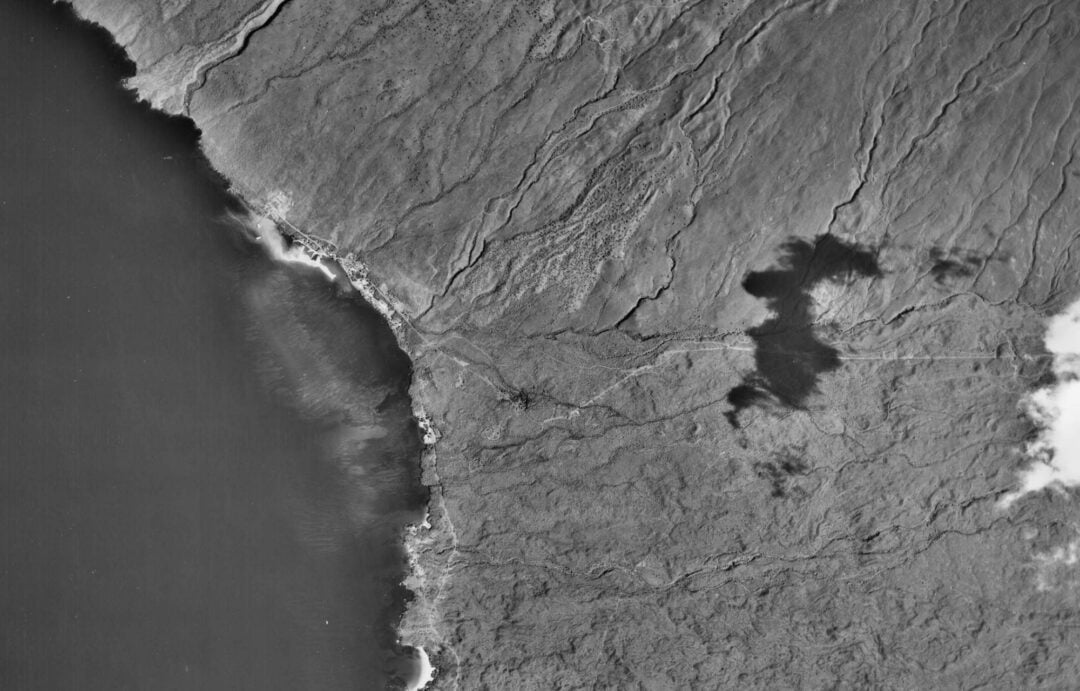
The base image from USGS shows the ocean’s bottom. You can see what we’ve compiled here or find it directly on the USGS website. Based on the available information, we believe our proposal would likely have the least overall impact.
We have observed some technical details about the operation of tugs and barges. The strong offshore winds at Kawaihae are well-known to tug boat captains and may have contributed to the failure of Captain Cook’s last voyage. We have seen tugs maneuvering barges during heavy winds to keep the barges portside into the wind. The barges stirred up the bottom as they pushed against the winds.
We are not sailors nor engineers, but it is logical to see that nosing ships or barges into the wind to dock on a finger pier may be beneficial at this location.
Choosing not to move forward with the original Pier 3 location, as outlined in HDOT HCHMP 2035, will at least violate State and Federal laws. In the worst case, it could destroy natural and cultural resources for everyone.
Discover more from kawaihae reef
Subscribe to get the latest posts sent to your email.